
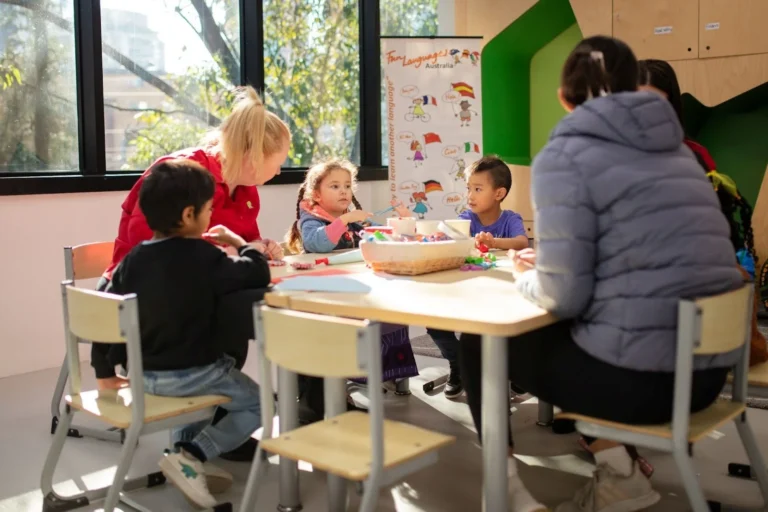
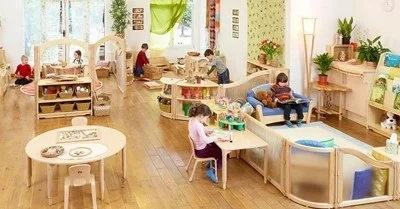
When we think about how children learn, we often focus on teachers, activities, and curriculum. But there is something equally powerful that is often overlooked. The environment. Have you ever noticed how a cluttered, noisy space can make a child restless or withdrawn? Or how a calm, inviting room can instantly help them settle and engage? Children are constantly absorbing messages from their surroundings. The question is, what is your child’s environment teaching them? In the Reggio Emilia approach, the answer is clear. The environment is not just a backdrop. It is a teacher in its own right. Understanding the ‘Third Teacher’ Concept The idea of the environment as the “third teacher” comes from the Reggio Emilia philosophy, which places equal importance on three elements in a child’s learning journey:
While educators guide and support, and peers encourage collaboration, the environment shapes how children feel, behave, and explore.
A thoughtfully designed space can:
In contrast, a poorly designed environment can limit exploration and create unnecessary frustration.
Children do not separate learning from their surroundings. Every detail influences their experience.
The lighting, layout, materials, and even the way resources are presented all send subtle messages.
For example:
These messages shape how children see themselves as learners.
A Reggio-inspired environment is intentionally designed to spark curiosity. Instead of overwhelming children with too many options, it offers carefully selected materials that invite exploration. You might find:
When children feel invited into a space, they engage more deeply and meaningfully.