
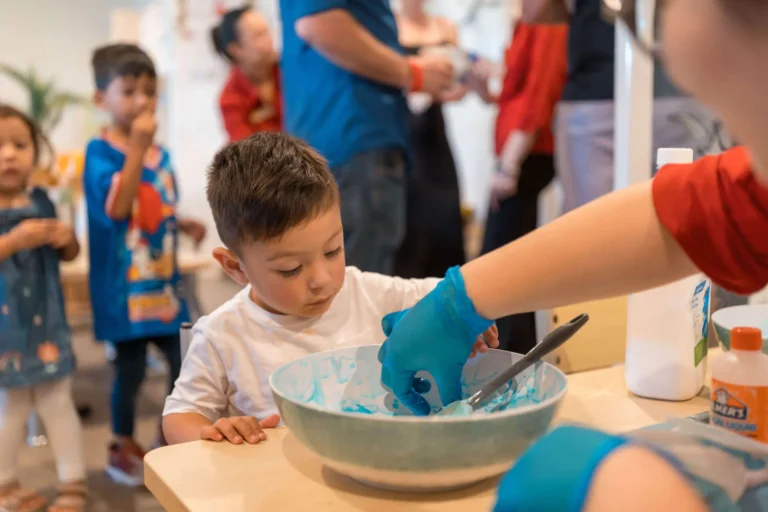
Not all classrooms are created equal — and traditional setups with rigid desks, fixed routines, and one-size-fits-all lessons can sometimes stifle the natural creativity and curiosity of young children. In contrast, Reggio Emilia-inspired classrooms are dynamic, flexible, and deeply child-led. They encourage exploration, collaboration, and expression through thoughtfully designed environments. In this blog, we take a closer look at how these vibrant spaces support meaningful learning and how you can experience this firsthand at our centre.
Imagine walking into your child’s classroom and finding perfectly aligned desks, faded posters, and the same generic toys from last term. Does this environment really inspire curiosity?
If you’ve ever felt that something was “missing” from your child’s learning space—like warmth, imagination, or a sense of wonder—you’re not alone.
In many early learning centres, the classroom is often seen as just a backdrop. But what if the classroom could be an active participant in your child’s learning journey? What if it could listen, respond, and come alive?
That’s exactly what happens in a Reggio Emilia-inspired classroom.
Let’s explore how.
Reggio Emilia classrooms aren’t just spaces where learning happens—they are carefully curated ecosystems that evolve with children’s ideas, interests, and developmental stages.
They’re filled with intentional design, materials that invite interaction, and opportunities for children to direct their own learning.
In short, the classroom comes alive—not because of what we put in it, but because of how children interact with it.
At the heart of Reggio Emilia philosophy is the belief that children are capable, curious, and full of potential. Instead of fixed lesson plans, educators observe children closely and shape the curriculum based on their interests.
If a group of children is fascinated by snails in the garden, the classroom transforms:
This dynamic response turns the classroom into a living organism that grows with the children.
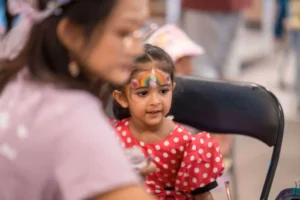
Reggio classrooms are filled with what we call open-ended materials. These aren’t just toys—they’re provocations.
Some of the favourites include:
These materials don’t dictate what a child should do. Instead, they ask, “What would you like to create?”
In a Reggio Emilia classroom, the walls are never blank or simply decorative. They are covered in documentation—photos, children’s words, artwork, and learning stories.
These displays do more than showcase work—they:
And because this documentation changes regularly, the classroom always feels fresh, responsive, and full of life.
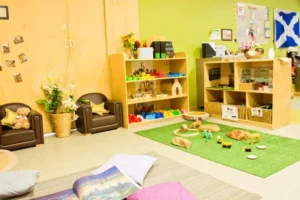
Forget static rooms with rigid zones. Reggio Emilia classrooms are fluid and flexible. They change based on how children want to use them.
You’ll find:
These flexible environments empower children to make decisions about their learning, giving them a sense of ownership and agency.
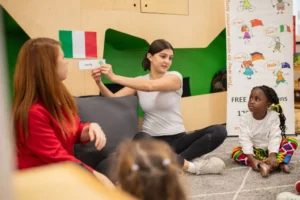
In many traditional settings, the teacher stands at the front, delivering knowledge. But in Reggio Emilia settings, educators walk with the child, not in front of them.
They observe, ask questions, and document children’s thinking to build meaningful learning experiences. The classroom comes alive because the teacher is constantly adjusting it based on the children’s evolving interests.
At Reggio Emilia Early Learning Centre, our educators act more like gardeners than instructors—nurturing growth, responding to change, and always learning alongside the children.
Rather than switching from one topic to the next each week, Reggio-inspired classrooms support long-term investigations.
Children might explore a topic like “movement” for weeks or even months, branching into:
This depth of inquiry leads to richer learning, stronger connections, and a real sense of accomplishment.
Reggio classrooms come alive when children collaborate. Group work isn’t just encouraged—it’s essential. Through conversations, shared projects, and mutual problem-solving, children develop:
We often say: “One hundred children, one hundred languages.” This means that every child brings their own way of expressing and understanding, and when those are shared in a group, learning expands exponentially.
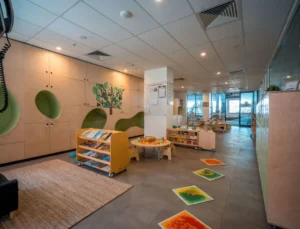
If you step into a Reggio Emilia classroom, you’ll probably notice:
It feels less like a traditional classroom and more like a creative studio, a science lab, and a second home—all rolled into one.
When classrooms come alive, so do children.
They:
At Reggio Emilia Early Learning Centre, we believe learning should never feel passive. It should be vibrant, full-bodied, and rooted in the child’s voice.
If you’ve ever wondered what it would feel like for your child to be truly understood in the classroom, we invite you to see our Reggio Emilia classrooms in action.
Book a visit today and experience a classroom that listens to your child’s imagination, curiosity, and voice.
Don’t wait—give your child the gift of a learning environment that’s as alive as they are.