
 Tour
Tour CCS
CCS  CALL
CALL
Key Takeaways
- Nature-based learning nurtures curiosity, creativity, and emotional wellbeing in young children
- The Reggio Emilia approach uses nature as a powerful, everyday learning partner
- Outdoor and natural experiences support cognitive, social, and physical development
- Children who engage with nature regularly develop confidence, resilience, and a lifelong love of learning

What If the Best Classroom Isn’t Indoors?
It is easy to assume that learning happens best within four walls, surrounded by structured materials and carefully planned lessons. Many early learning environments still follow this model. But have you ever noticed how children come alive the moment they step outside?
The energy shifts. Their questions multiply. Their senses awaken.
Yet, in many settings, outdoor time is treated as a break from learning rather than an essential part of it.
What if we have been looking at it the wrong way? What if nature is not a distraction, but one of the most powerful teachers a child can have?
This is exactly what the Reggio Emilia approach recognises and embraces.
Nature as a Living, Breathing Teacher
In the Reggio Emilia philosophy, the environment is often described as the third teacher. Nature plays a central role within this environment, offering endless opportunities for discovery, creativity, and connection.
Unlike fixed classroom materials, nature is ever-changing. A garden today is not the same tomorrow. Leaves fall, flowers bloom, shadows shift, and insects appear and disappear.
This constant change invites children to observe, question, and explore in ways that static environments simply cannot replicate.
Nature does not give children answers. It encourages them to think.
Learning Through Real, Sensory Experiences
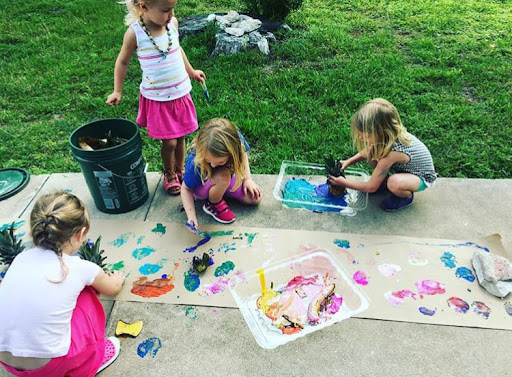
Young children learn best through their senses. Nature provides rich, hands-on experiences that engage sight, sound, touch, and even smell.
Think about the difference between looking at a picture of a tree and actually sitting beneath one. Feeling the bark, watching the leaves move, hearing the rustle in the wind. These experiences deepen understanding in a way no worksheet ever could.
Nature-based learning allows children to:
- Feel different textures such as sand, water, leaves, and stones
- Observe natural patterns, colours, and changes over time
- Hear the subtle sounds of birds, wind, and movement
- Develop fine and gross motor skills through climbing, digging, and balancing
These sensory experiences build strong neural connections and support holistic development.
Fostering Curiosity and Inquiry
Children are naturally curious. Nature gives them an endless supply of questions to explore.
- Why do leaves change colour?
- Where do ants go after it rains?
- What happens when we mix water and soil?
In a Reggio Emilia setting, educators do not rush to provide answers. Instead, they encourage children to investigate, discuss, and form their own ideas.
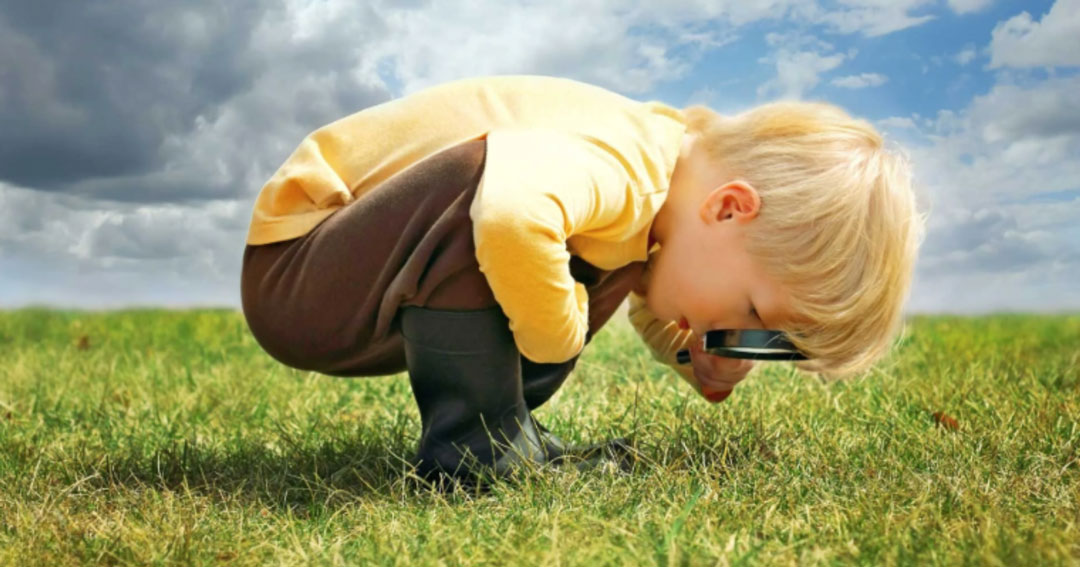
A simple puddle can become a science experiment. A fallen branch can inspire storytelling. A garden can turn into a living laboratory.
This approach transforms learning into a process of discovery rather than instruction.
Supporting Emotional Wellbeing and Calm
Nature has a unique ability to soothe and regulate emotions. Children who spend time in natural environments often feel calmer, more focused, and more secure.
Natural settings reduce overstimulation. There are no flashing lights or overwhelming noise. Instead, there is a gentle rhythm that allows children to settle and feel at ease.
In these spaces, children can:
- Take a quiet moment to observe
- Process their emotions through movement and play
- Build a sense of belonging and connection
This emotional grounding is essential for healthy development and positive learning experiences.
Encouraging Creativity Without Limits
One of the most powerful aspects of nature-based learning is that it offers open-ended possibilities.
A stick can be a wand, a tool, or part of a structure. Leaves can become art, patterns, or storytelling props. Stones can be sorted, stacked, or transformed into imaginary worlds.
Unlike many manufactured toys, natural materials do not come with instructions. This invites children to use their imagination freely.
Creativity flourishes when there are no predefined outcomes.
Building Resilience and Confidence
Nature is not always predictable. The ground may be uneven. The weather may change. A structure may collapse and need rebuilding.
These small challenges help children develop resilience.
They learn to:
- Take safe risks and assess situations
- Solve problems independently or with peers
- Persist when things do not go as planned
- Adapt to new and changing condition
Each of these experiences builds confidence and a sense of capability.
Strengthening Social Connections
Nature-based environments naturally encourage collaboration.
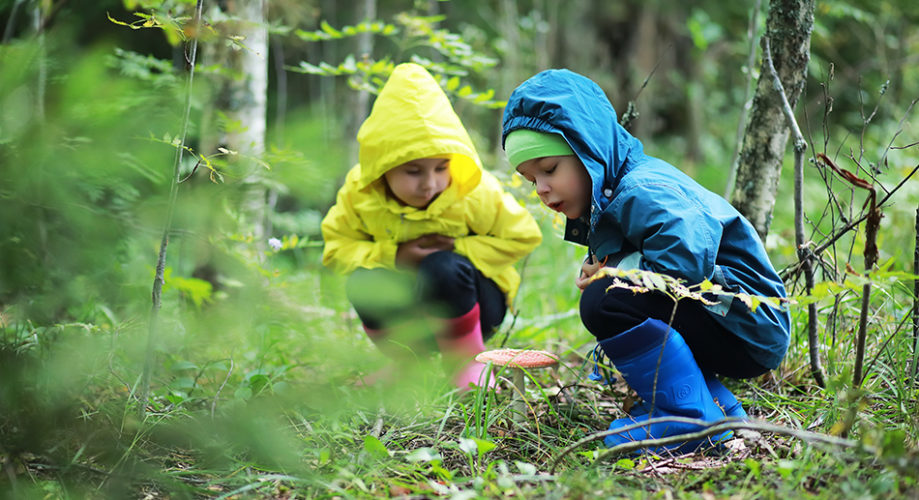
Children work together to build, explore, and solve problems. They share discoveries, negotiate ideas, and support one another.
For example:
- Building a shelter requires teamwork
- Exploring a garden invites shared curiosity
- Group discussions emerge from shared observations
These interactions help children develop communication skills, empathy, and a sense of community.
Connecting Children to the World Around Them
In today’s increasingly digital world, many children have limited opportunities to connect with nature.
Nature-based learning helps bridge this gap. It fosters respect for the environment and an understanding of how living systems work.
Children begin to notice:
- Seasonal changes
- The importance of caring for plants and animals
- The interconnectedness of life
These early experiences lay the foundation for environmental awareness and responsibility.
How We Embrace Nature-Based Learning
At Reggio Emilia Early Learning Centre, nature is not an occasional activity. It is woven into everyday learning.
We create opportunities for children to:
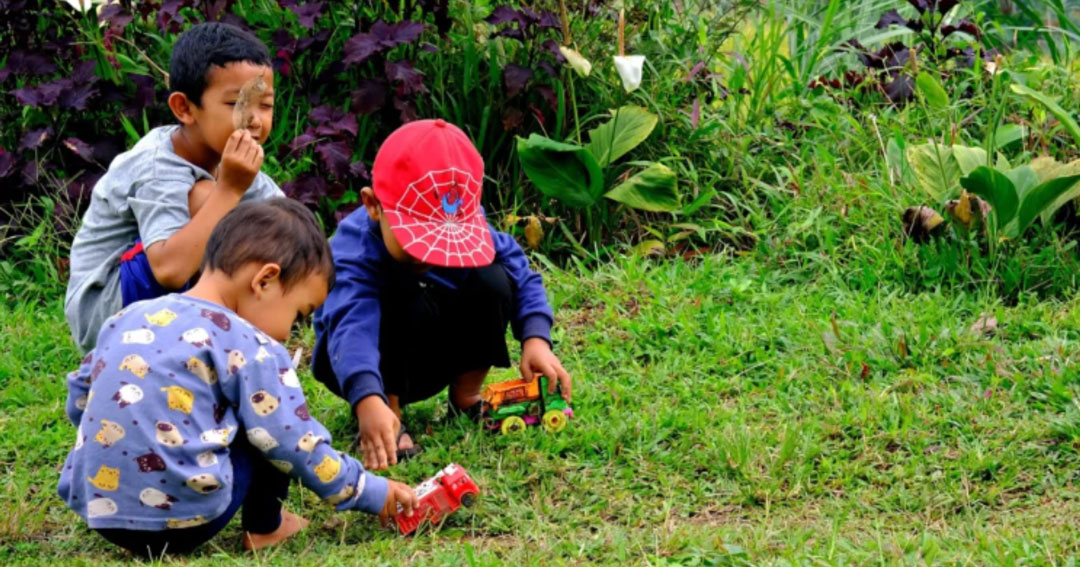
- Explore outdoor spaces regularly
- Engage with natural materials in both indoor and outdoor environments
- Participate in gardening and caring for living things
- Observe and document changes in nature over time
Our educators carefully observe children’s interests and extend their learning through meaningful, nature-based experiences.
Every moment outdoors becomes an opportunity for discovery.
Why It Truly Works
Nature-based learning works because it aligns with how children are naturally wired to learn.
It is:
- Experiential rather than passive
- Child-led rather than rigid
- Holistic rather than fragmented
- Meaningful rather than abstract
When children learn through nature, they are not just gaining knowledge. They are building relationships with the world, with others, and with themselves.
An Invitation to Experience It First-Hand
Imagine a learning environment where curiosity is honoured, creativity is limitless, and every day brings something new to explore.
Book a visit at Reggio Emilia Early Learning Centre to experience a space where nature and learning come together to nurture your child’s imagination, confidence, and joy.
Give your child the opportunity to grow in an environment that feels as natural as childhood itself.



 mail@reggioemilia.com.au