
 Tour
Tour CCS
CCS  CALL
CALL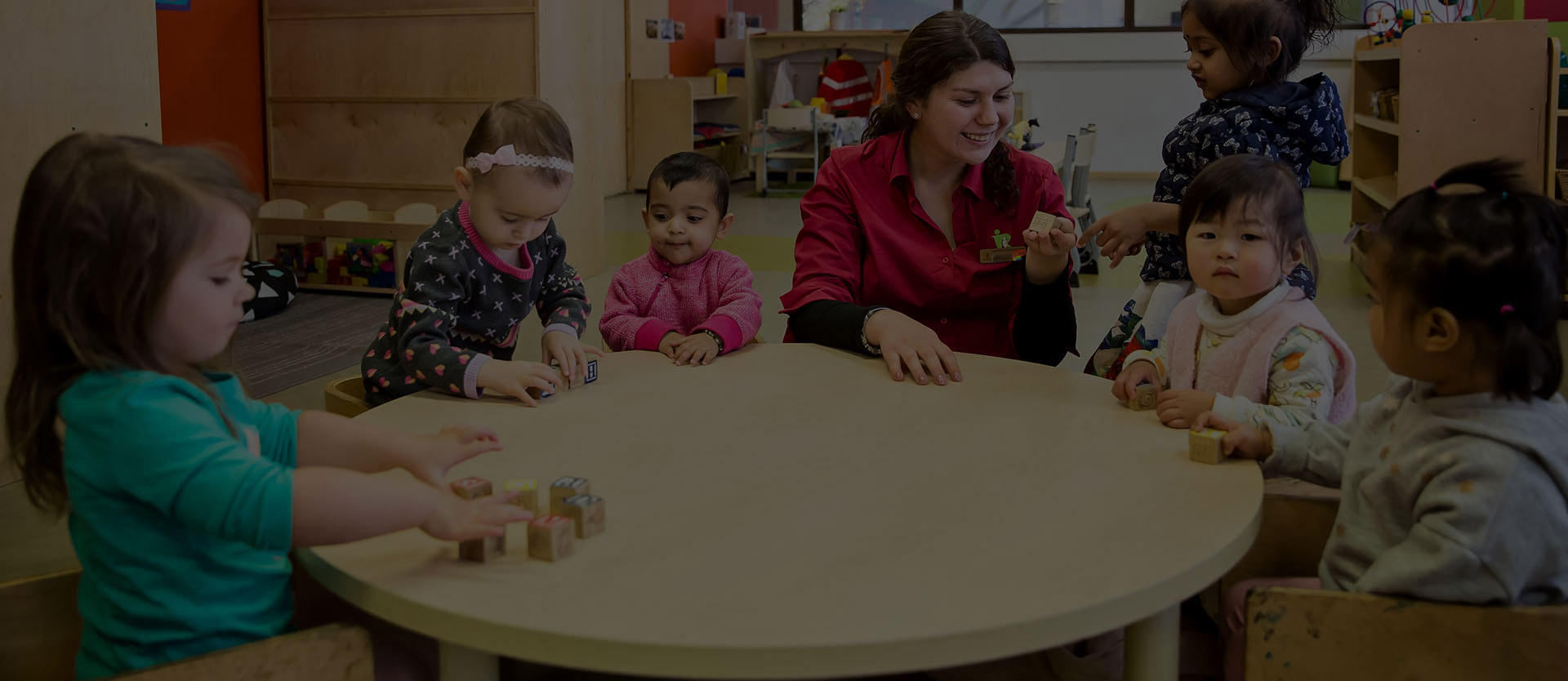

When families begin searching for childcare, it is easy to feel overwhelmed by choices, from shiny facilities to long lists of programs and promises. But what truly matters is knowing what to look for and how to recognise an environment where your child will genuinely thrive. During a childcare tour, parents have a powerful opportunity to observe, ask questions and understand whether the centre’s values align with their own. By knowing the right things to look for, families can clearly see what high-quality early learning looks like in action, not just what is written in brochures. It is equally important to learn how to identify subtle red flags that might signal a lack of nurturing interactions, limited learning opportunities or environments that do not support children’s emotional wellbeing. With the knowledge and confidence to assess a centre thoughtfully, choosing childcare becomes more than a practical decision. It becomes an empowering step toward giving your child the best start in life.
Feeling Overwhelmed by Childcare Tours? You’re Not Alone.
Walking into a childcare centre for the first time can feel a little intimidating. You’re met with new faces, colourful rooms, and a whole lot of information, and you want to make sure you’re asking the right questions so you can confidently decide where your child will thrive.
But here’s the tricky part: Most parents don’t actually know what to look for. They rely on the vibe, the cleanliness, or how friendly the director seems, all important, yes, but not the full picture.
The truth is, choosing a childcare centre isn’t just about ticking boxes. It’s about understanding how the environment, the educators, and the philosophy come together to nurture your child’s growth, curiosity, and well-being.
This guide will help you ask meaningful questions during your tour, and we’ve included a free printable checklist you can take with you.

Why Asking the Right Questions Matters
A tour isn’t a formality; it’s a window into your child’s future environment.
The questions you ask help you understand:
- How educators interact with children
- Whether the centre’s values align with yours
- How your child will be supported emotionally, socially, and academically
- What learning experiences will your child have each day
Great centres love it when parents ask thoughtful questions. It shows you’re engaged, curious, and committed to your child’s learning journey.
The Essential Questions to Ask on Every Childcare Tour
1. About the Centre’s Philosophy
To understand whether the centre aligns with your family values, ask:
- What is your educational philosophy?
- How do children learn here through play, projects, structured programs, or a mix?
- How do educators respond to children’s interests?
- How is emotional well-being supported?
A strong, thought-out philosophy shouldn’t sound rehearsed; it should feel lived, visible, and authentic.
2. About the Educators
Educators are the heart of any early learning centre. The way they speak, interact, and show care will tell you more than any brochure.
Ask:
- What qualifications do your educators have?
- What is your staff-to-child ratio?
- How long have your educators been here?
- How do educators build relationships with each child?
- How do they support children who feel shy, anxious, or unsettled?
Observe as you walk:
Are educators on the floor engaging with children… or standing at the edge watching?
3. About the Environment
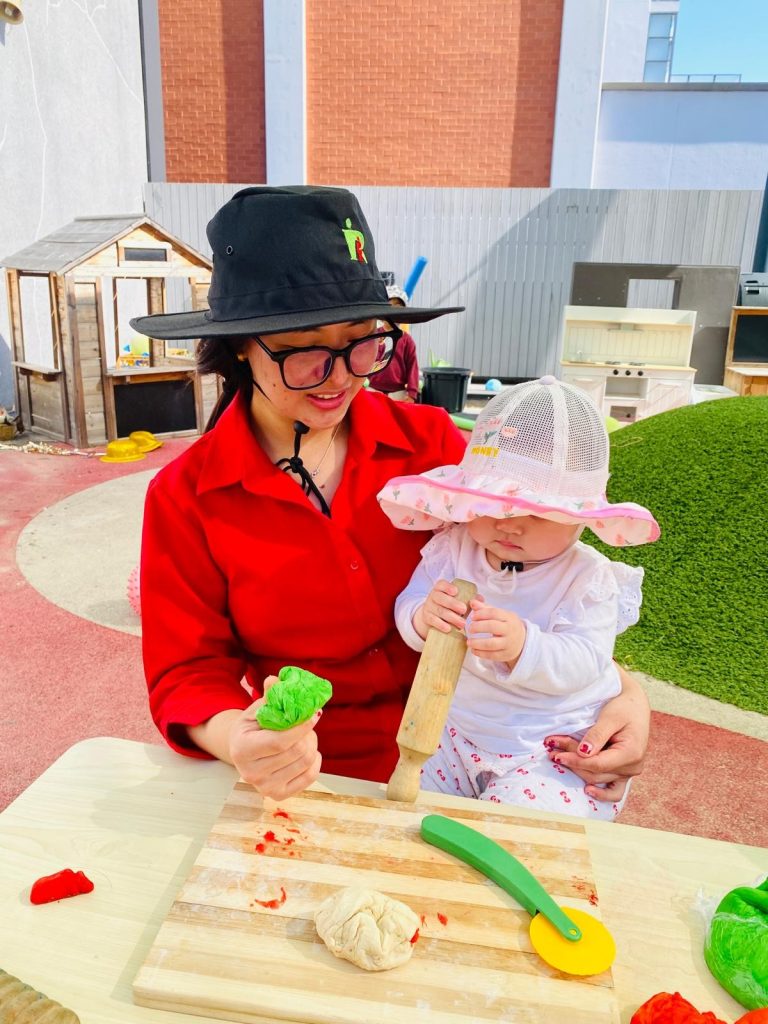
A high-quality environment should feel warm, inspiring, and purposeful, not overstimulating or sterile.
Ask:
- What atmosphere do you hope to create in your classrooms?
- How do you use the spaces to support children’s learning?
- Are natural materials used? Are the rooms arranged to encourage exploration?
- How do you ensure the environment is safe while still allowing independence?
A great environment should invite play, spark curiosity, and feel like a home away from home.
4. About Learning and Daily Experiences
Look beyond “activities” and focus on what children actually learn.
Ask:
- What does a typical day look like?
- How do you support children’s language development?
- How do you introduce concepts like maths, literacy, science, or art?
- How do you encourage problem-solving and independence?
- Do children have opportunities for outdoor play? How often?
Centres that follow a child-led or Reggio-inspired approach will often integrate learning through exploration, creativity, and real experiences.
5. About Communication with Families
Open, honest communication is essential if you want to feel truly connected to your child’s day.
Ask:
- How will you keep me updated on my child’s learning and well-being?
- Do you share photos, stories, or documentation?
- What happens if my child has a challenging day?
Families should feel like partners, not outsiders.
6. About Food, Safety, and Routines
Don’t hesitate to ask about the practical details; they matter more than you think.
- What meals and snacks do you provide?
- How do you handle allergies or dietary preferences?
- How do you support children during rest time?
- What are your illness, medication, and incident policies?
- How do you manage transitions, drop-offs, and pick-ups?
These answers can tell you a lot about how organised, thoughtful, and child-centred the environment really is.
7. About Wellbeing and Behaviour Support
Every child has big emotions, and every parent wants to know their child feels safe, understood, and supported.
Ask:
- How do you help children regulate their emotions?
- How do you guide behaviour in a positive, respectful way?
- How do you support children who struggle with separation, sharing, or waiting?
Red flag:
Any response that focuses on punishment over understanding.
8. About Transitions and School Readiness
School readiness is about more than writing their name. It includes confidence, communication, curiosity, and social skills.
Ask:
- How do you prepare children for school emotionally, socially, and academically?
- How do you support children transitioning between rooms?
- How do you partner with families during big changes?
Look for a centre that views readiness holistically, not as a checklist of skills.



 mail@reggioemilia.com.au