
 Tour
Tour CCS
CCS  CALL
CALL
- Children learn best in environments that are responsive, intentional, and thoughtfully designed.
- In the Reggio Emilia approach, the environment is considered the “third teacher” alongside adults and peers.
- A well-prepared space nurtures independence, curiosity, and emotional well-being.
- The right environment encourages deeper thinking, collaboration, and creativity.
What If the Classroom Itself Is Teaching Your Child?
When we think about how children learn, we often focus on teachers, activities, and curriculum. But there is something equally powerful that is often overlooked.
The environment.
Have you ever noticed how a cluttered, noisy space can make a child restless or withdrawn? Or how a calm, inviting room can instantly help them settle and engage?
Children are constantly absorbing messages from their surroundings. The question is, what is your child’s environment teaching them?
In the Reggio Emilia approach, the answer is clear. The environment is not just a backdrop. It is a teacher in its own right.
Understanding the ‘Third Teacher’ Concept
The idea of the environment as the “third teacher” comes from the Reggio Emilia philosophy, which places equal importance on three elements in a child’s learning journey:
- The child
- The adult
- The environment
While educators guide and support, and peers encourage collaboration, the environment shapes how children feel, behave, and explore.
A thoughtfully designed space can:
- Invite curiosity
- Encourage independence
- Support emotional regulation
- Inspire creativity
In contrast, a poorly designed environment can limit exploration and create unnecessary frustration.
Why Environment Matters More Than You Think
Children do not separate learning from their surroundings. Every detail influences their experience.
The lighting, layout, materials, and even the way resources are presented all send subtle messages.
For example:
- Low, open shelves say, “You can choose for yourself”
- Natural light and soft colours say, “This is a calm and safe space”
- Carefully displayed materials say, “Your work is valued”
These messages shape how children see themselves as learners.
Designing Spaces That Invite Exploration
A Reggio-inspired environment is intentionally designed to spark curiosity.
Instead of overwhelming children with too many options, it offers carefully selected materials that invite exploration.
You might find:
- Open-ended resources such as blocks, loose parts, and natural materials
- Clearly defined areas for different types of play and learning
- Spaces that encourage both individual thinking and group collaboration
When children feel invited into a space, they engage more deeply and meaningfully.
Encouraging Independence Through Accessibility
One of the most powerful aspects of the environment as a third teacher is how it promotes independence.
When materials are accessible and organised, children can make their own choices without constant adult direction.
This allows them to:
- Follow their interests
- Develop decision-making skills
- Take responsibility for their learning
- Build confidence in their abilities
Independence is not taught through instruction alone. It is built through experience, and the environment plays a key role in enabling that experience.
Creating Emotional Safety and Belonging
Children learn best when they feel safe and secure.
A well-designed environment supports emotional well-being by creating a sense of comfort and belonging.
This can be achieved through:
- Warm, natural tones rather than harsh, overstimulating colours
- Soft furnishings and cosy corners for rest and reflection
- Predictable and organised spaces that reduce anxiety
When children feel emotionally safe, they are more open to taking risks, asking questions, and exploring new ideas.
Making Learning Visible
In the Reggio Emilia approach, the environment also acts as a space for reflection.
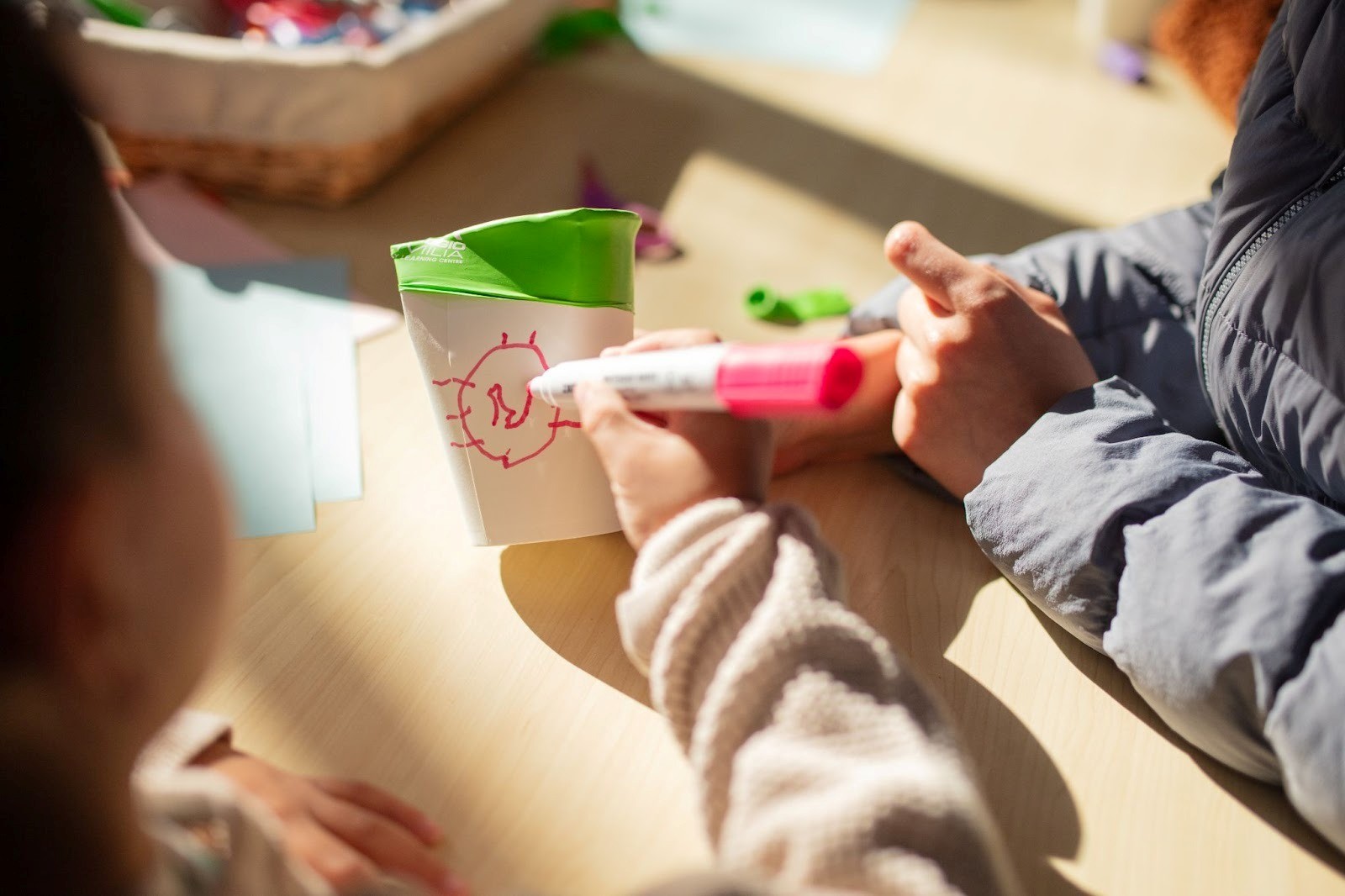
Walls are used to document children’s learning journeys through photographs, artwork, and their own words.
This does more than decorate the room. It:
- Validates children’s ideas and efforts
- Encourages them to revisit and extend their thinking
- Helps families understand the learning process
- Creates a sense of pride and ownership
When children see their work displayed with intention, they begin to see themselves as capable and valued learners.
Flexibility That Adapts to the Child
Children’s interests are constantly evolving, and the environment should evolve with them.
Reggio-inspired spaces are flexible and dynamic.
Furniture can be moved. Materials can be changed. Areas can be redefined.
For example:
- A construction area might transform into a storytelling space
- A table might shift from art activities to scientific exploration
- Outdoor areas might become extensions of indoor learning
This flexibility ensures that the environment remains relevant and engaging.
Supporting Collaboration and Communication
The layout of a space influences how children interact with one another.
An environment designed for connection encourages:
- Group discussions
- Shared problem-solving
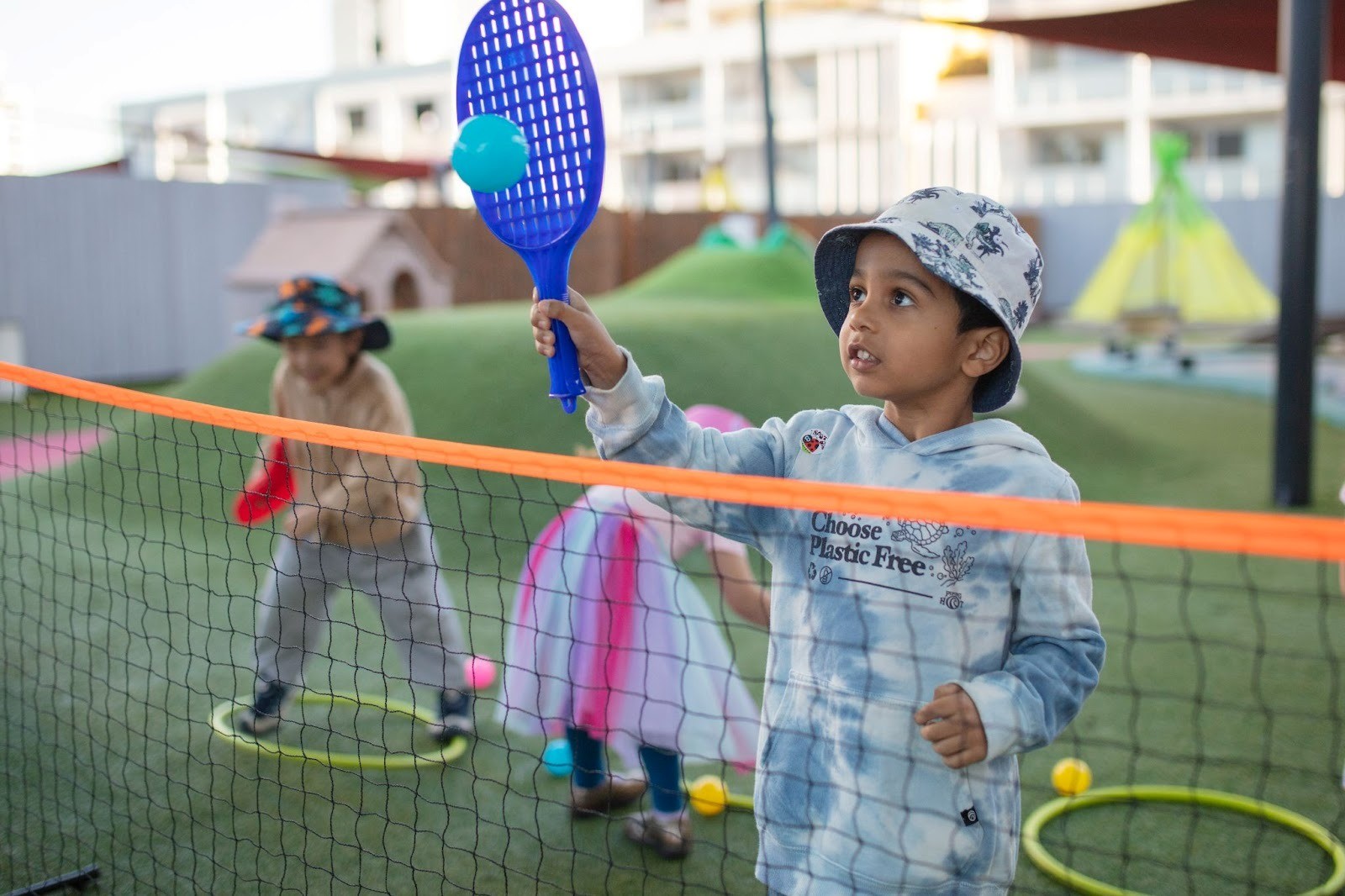
- Cooperative play
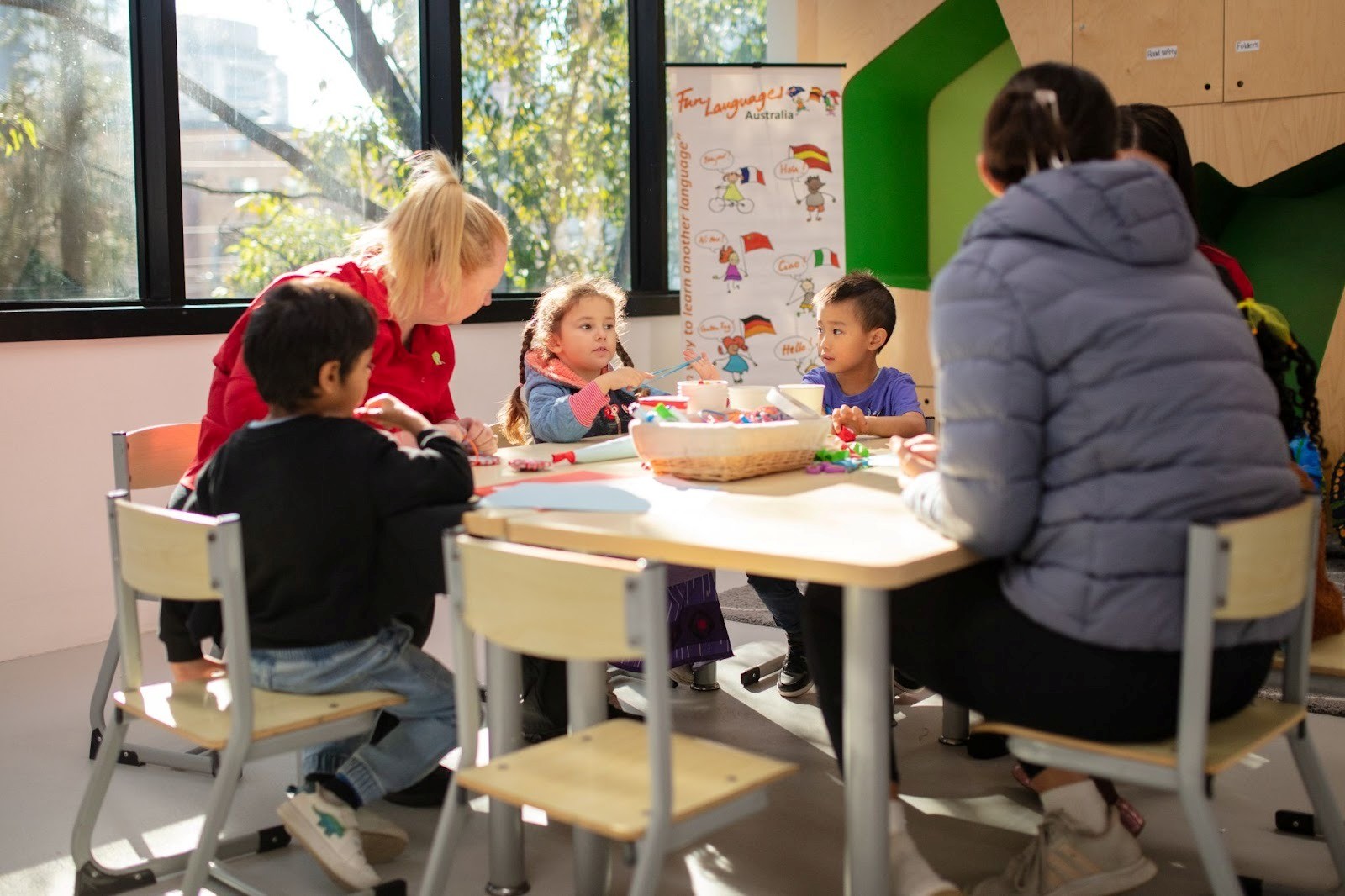
Round tables, shared materials, and open spaces naturally invite collaboration.
Through these interactions, children develop:
- Language and communication skills
- Empathy and understanding
- The ability to listen and respond to others
Learning becomes a shared experience rather than an individual task.
How We Bring the ‘Third Teacher’ to Life
At Reggio Emilia Early Learning Centre, we see the environment as an essential part of your child’s learning journey.
Every detail is carefully considered to create a space that is both beautiful and functional.
We:
- Design calm, inviting environments using natural materials and soft tones
- Ensure resources are accessible to encourage independence
- Create flexible spaces that adapt to children’s interests
- Document learning to make children’s thinking visible
- Balance areas for collaboration with spaces for quiet reflection
Our environments are not static. They grow and change alongside the children.
Why This Approach Works
The concept of the environment as the third teacher works because it aligns with how children naturally learn.
Children are:
- Curious and eager to explore
- Capable of making decisions
- Sensitive to their surroundings
- Motivated by meaningful experiences
When the environment supports these qualities, learning becomes deeper, more engaging, and more lasting.
Give Your Child an Environment That Truly Teaches
The space your child learns in is not just a setting. It is shaping their confidence, curiosity, and love of learning every single day.
Imagine your child in an environment that:
- Encourages them to ask questions
- Supports their independence
- Makes them feel safe, valued, and inspired
Book a visit to Reggio Emilia Early Learning Centre and experience a space where the environment truly teaches, nurtures, and brings your child’s potential to life.
Meta Tag
The Reggio Emilia View on Environment as the ‘Third Teacher’
Discover how the environment acts as the third teacher in the Reggio Emilia approach, shaping children’s creativity, independence, and confidence in early learning.



 mail@reggioemilia.com.au