
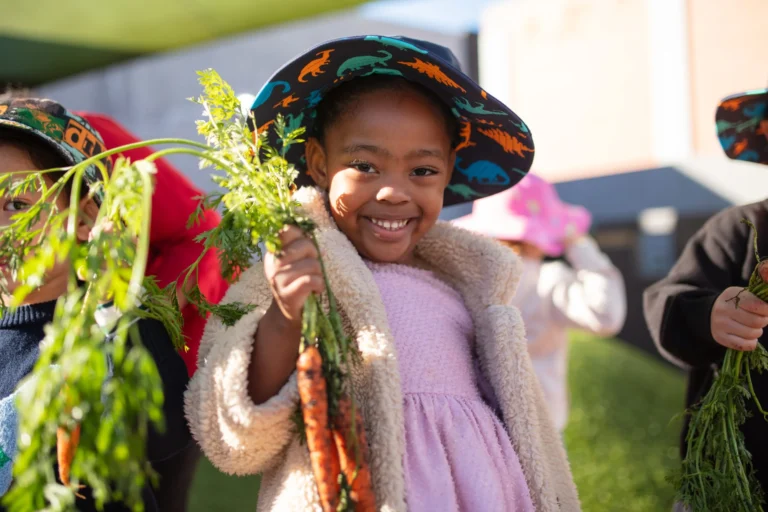
Unlike traditional approaches to early childhood education, the Reggio Emilia approach is unique. It emphasises a child-centred, project-based learning experience. Central to our educational philosophy is the value we place on the environment. As the ‘third educator’, the environment holds great potential to influence what and how our children learn. To engage with the environment, we often take learning and play outdoors. This encourages our children to explore and interact with the world around them. This blog will explore ways that we integrate the outdoor environment into our everyday learning and play.
At Reggio Emilia, our curriculum is flexible. Instead of our educators determining our learning program, it is developed alongside children and families. This enables us to create a learning experience tailored to each child’s passions and curiosities.
Project-based learning is a vital part of a child’s learning experience. Once a topic of interest is chosen, we work with our children, parents, and community to discover the best way to explore it. This involves developing a hands-on project that encourages our children to learn in a fun and engaging way.
At Reggio Emilia, our projects delve deeper into topics of interest by forming a connection with the environment. For example, if our children express curiosity about how plants grow, you may find us immersed in our garden with magnifying glasses! Incorporating the environment with our project-based learning approach creates meaningful and nurturing opportunities for our children to learn and play.
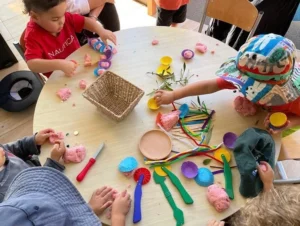
Every year, we discover more about the impact we have on our environment. Exploring sustainability concepts in early childhood education can teach the next generation how to care for our planet and guide them to make sustainable choices when they grow up.
At Reggio Emilia, sustainability empowers our children. We guide them to form relationships with the environment and develop an appreciation for the world around them. By encouraging our children to learn and play outdoors, we can explore sustainability concepts together. This might include watering our garden, picking up any rubbish left outside, or crafting artwork from sustainable materials we find.
By exploring sustainability concepts through outdoor learning and play, we equip our children with the creativity and critical thinking skills needed for environmental change in the future.
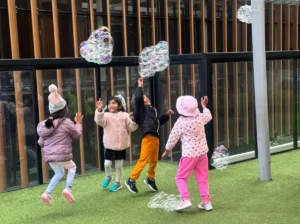
Reduce the spread of allergens indoors: To reduce the amount of allergens in your home, keep your windows closed, have your child change into fresh clothes after being outdoors, and clean your home more frequently. You should also encourage your child to wash their hands regularly, especially after playing outside.
Keep your child’s bedroom clean: Keeping your child’s bedroom clean can reduce the amount of irritating allergens in the air, like dust, which can worsen allergies.
Use a humidifier: Humidifiers can help alleviate allergy symptoms by maintaining an optimal humidity level. This can make your child more comfortable indoors by reducing sinus inflammation and soothing irritation. Humidifiers can also filter common allergens, such as dust and pollen, from the air.
Have allergy medication on standby: Antihistamines, nasal sprays, and eye drops are the best medications to treat seasonal allergies. These medications can provide quick hay fever relief and alleviate any symptoms.
Monitor pollen counts in your area: A pollen count measures the amount of pollen in the air. It can be useful when planning your activities and can help minimise your child’s seasonal allergies. When pollen counts are high, consider going to the movies instead of the park! To learn how to view the current pollen count in your area, click here.
Find the best time to play outside: The amount of pollen in the air usually rises in the morning and peaks by midday or early afternoon. This is often the time of day when allergies are at their worst, so it might be wise to stay indoors during these times. The best time to go outside is after rain, which helps clear pollen from the air. However, you might want to avoid playing outside on dry and windy days.
Avoid strong fragrances: Hay fever can be triggered or made worse by strong fragrances, such as perfumes, colognes, air fresheners, and scented candles. Avoid using strong fragrances around your child to keep seasonal allergy symptoms at bay.
Clean your air conditioning filters regularly: Regularly cleaning your air conditioning filters can help improve the air quality in your home. Clean filters ensure a good flow of fresh air throughout your home without any allergens.
Think about your pets: Your dog or cat may pick up pollen on its fur. This can be carried into your home and trigger seasonal allergies. Consider wiping their fur after walking outside, bathing them more frequently, and keeping them out of your child’s bedroom.
Send your child to childcare prepared: Talk to your child’s educator about their allergies so they can keep an eye on them and help them if necessary. If your child takes any medications for their seasonal allergies, ensure your centre has some. It’s also a good idea to give your child their own packet of pocket tissues to carry around with them.
If you follow these tips, chances are your child will feel more comfortable and confident during changing seasons. When children feel better, parents do, too!
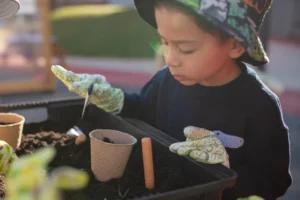
At Reggio Emilia early learning centres, our program is enhanced by extracurricular activities. We refer to these activities as The Reggio 5. The Reggio 5 has proved a great way to integrate outdoor learning and play into our curriculum. It is designed to teach children about the world around them and also promote the development of their skills and abilities.
Earth to Kitchen: Our Earth to Kitchen program teaches our children about the planet and how to protect it. Our children learn about sustainability, healthy eating habits, and gardening. From planting seeds to preparing wholesome meals, our children develop valuable life skills while exploring the natural environment around them.
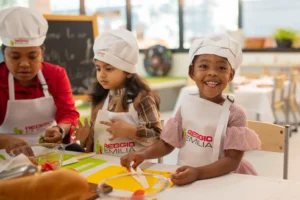
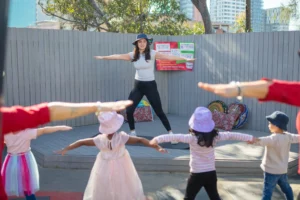
Fitness and Mindfulness: Fitness and Mindfulness is another important part of The Reggio 5. It includes a holistic sports and yoga program that encourages our children to explore their physical capabilities. We participate in a range of activities, including obstacle courses and mindful breathing exercises. These activities teach our children how to live a healthy and active lifestyle outdoors.
It’s essential to introduce young children to various experiences and new environments in early childhood. This helps to develop their social, emotional, and cognitive skills.
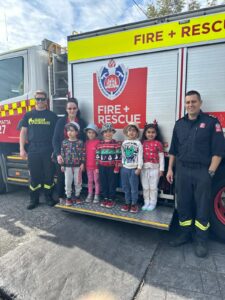
At Reggio Emilia, our learning program includes a variety of incursions and excursions. This enables us to create an enriching learning experience for our children and expose them to new environments. Incursions and excursions also help to foster curiosity and appreciation for the environment and communities around us. They also create positive memories that inspire our children to continue learning and exploring.
Some of our most recent incursions and excursions include our fire safety visits, VIVID celebrations, picnic adventures, and Wild Places outings. We frequently incorporate exciting experiences like these into our program. This encourages our children to explore environments outside of our early learning centres and learn in new ways.
At Reggio Emilia, we believe every child’s curiosity and interests should inspire their educational journey. Our children not only learn in the classroom but also connect with the environment around them. Whether through extracurricular activities or exploring sustainability concepts, our children have many opportunities to engage with the world around them through outdoor learning and play. To learn more, reach out to us on 02 9891 2222 or via email at mail@reggioemilia.com.au.